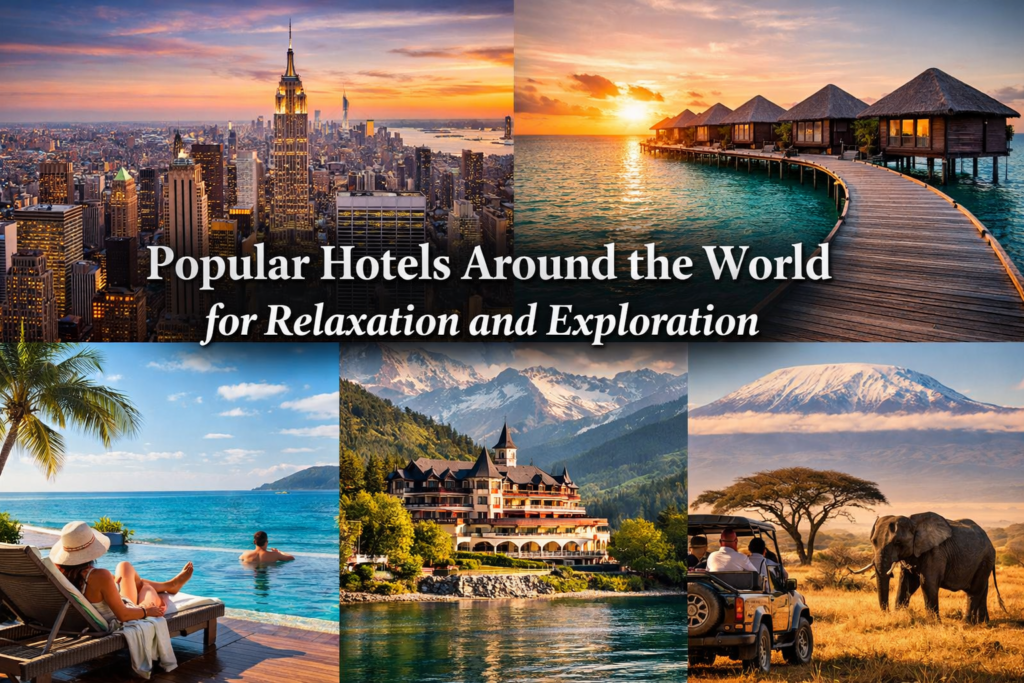
Popular Hotels Around the World for Relaxation and Exploration
Popular hotels ever notice how the best trips feel like two vacations in one? One part is pure relaxation—the kind where time melts like ice in a tropical drink. The other part is exploration—the kind where you walk “just one more block” and accidentally discover a street market, a hidden café, or a view that makes your camera roll explode.
The sweet spot is finding popular hotels around the world for relaxation and exploration—places that let you unwind and step outside into real adventure without feeling like you’re commuting to fun. Think of it like choosing a home base in a video game: you want comfort, upgrades, and easy access to the next mission.
Let’s break it down in a way that’s practical, real, and actually usable when you’re booking your next trip.
Why “Relaxation + Exploration” Is the Ultimate Travel Combo
A trip that’s only relaxing can feel… sleepy. A trip that’s only exploring can feel like you need a vacation after your vacation. But when you blend the two, you get the best of both worlds: energy and recovery.
The “Recharge vs. Adventure” Balance
Your body isn’t a robot. If you’re sprinting through museums, night markets, hikes, and “must-try” restaurants, you’ll hit a wall. A hotel with wellness travel touches—quiet rooms, quality bedding, spa facilities, or even just a peaceful vibe—helps you reset.
On the flip side, if you pick a hotel that’s too isolated, exploring becomes a chore. That’s when you start negotiating with yourself like, “Do I really want to spend 45 minutes in traffic just to eat something interesting?” Spoiler: usually no.
What Makes a Hotel Perfect for Both?
A great balance hotel has:
- A prime location (walkable or easy transit)
- Comfort-driven basics like soundproofing and great sleep
- A real spa or pool (not a sad corner jacuzzi)
- Helpful staff and concierge service who actually know the city
- Access to local culture—food, art, neighborhoods, not just tourist traps
What “Popular Hotels” Really Means (Beyond Hype)
Let’s be honest: “popular” doesn’t always mean “good.” Sometimes it means “aggressively advertised.” So what should popularity actually signal?
Location, Experience, and Repeat Guests
A hotel becomes a favorite when people return. Repeat guests are basically the most honest review system. Hotels that earn loyalty usually deliver:
- Consistent service quality
- A safe, convenient neighborhood
- Good value (even at luxury pricing)
- A feeling of “this trip is easier because I stayed here”
Design, Service, and the “I’d Come Back” Factor
Some hotels feel like a checklist item. Others feel like part of the story. The difference is often hotel design, personalized service, and small details—like remembering your preferred coffee or setting up a simple surprise for a birthday.
What to Look For Before You Book
Before we talk famous names, let’s talk strategy. Picking the right hotel is like picking shoes: you can survive with the wrong pair, but you’ll complain the whole time.
Neighborhood > View (Most of the Time)
A killer view is nice, sure. But a great neighborhood is a daily upgrade. Being close to:
- Local restaurants
- Transit lines
- Parks or walking streets
- Museums or cultural areas
…means you explore naturally, without planning your life around taxis.
Noise, Sleep Quality, and Room Layout
If you’re traveling for both relaxation and exploration, sleep is your secret weapon. Look for:
- Reviews mentioning quiet rooms
- Solid hotel bedding and blackout curtains
- Room layouts that don’t feel cramped
Because nothing kills romance with a city like waking up every hour to street noise.
Pools, Spas, and Wellness Add-Ons That Matter
Not all spas are created equal. A true luxury spa experience has:
- Multiple treatment options (not just “massage or nothing”)
- Sauna/steam rooms
- Relaxation lounges
- Trained therapists with legit technique
The Little Things That Change Everything
The small stuff often decides your mood:
- Strong Wi-Fi
- Fast check-in
- Good breakfast
- Helpful staff who give real local tips
It’s like seasoning in cooking—tiny, but it changes everything.
Iconic City Hotels for Exploration Lovers
City hotels are perfect when you want museums, shopping, food, and nightlife within reach. These are big-name examples with real-world reputations for pairing luxury comfort with location.
New York City: The Plaza (Classic, Central, Legendary) (Popular Hotels)
The Plaza is iconic for a reason: Central Park is right there, and so is Fifth Avenue. If your exploration style includes walking, shopping, and classic NYC moments, this is the kind of place that feels like you’re inside a movie—without sacrificing comfort.
Real example vibe: you can start your morning with a park walk, spend midday in museums, and end the day back in a suite that feels like a calm bubble above the city chaos. That’s the magic of a strong city center hotel.
London: The Savoy (River Walks + Theatre Nights) (Popular Hotels)
London is made for exploring on foot, and The Savoy puts you near the Thames, Covent Garden, and plenty of cultural gems. It’s a smart base for London theatre nights, museum days, and riverside strolls.
Paris: Hôtel Plaza Athénée (Fashion, Food, and Strolls) (Popular Hotels)
Paris is basically the capital of “walk around with no plan.” A hotel like Plaza Athénée places you in a zone where Paris luxury travel feels effortless: cafés, boutiques, and iconic streets are part of your daily rhythm.
Tokyo: Park Hyatt Tokyo (Skyline Calm, City Energy) (Popular Hotels)
Tokyo can be intense—in a good way. Park Hyatt Tokyo is known for being a quieter retreat in a city that never stops moving. It’s the kind of place where you explore Shinjuku, dive into ramen spots, and return to peaceful skyline views that feel like turning the volume down on the world.
Quick Tips for City-Stay Comfort
- Ask for higher floors if you’re noise-sensitive
- Use public transit like a local (your feet will thank you)
- Plan one “slow morning” every two days for balance
Beach & Island Hotels That Nail Relaxation (Popular Hotels)
When your priority is deep relaxation, beaches and islands are your best friends. But the best resorts also make exploration easy—snorkeling, village visits, cultural tours, nature walks, you name it.
Maldives: Soneva Fushi (Barefoot Luxury + Nature) (Popular Hotels)
Soneva Fushi is famous for barefoot luxury—where the vibe is high-end but not stiff. You can explore marine life, enjoy wellness experiences, and still feel like you’re living inside a nature documentary. This is a strong pick for travelers who want privacy and a sense of discovery.
Bali: Four Seasons Resort Bali at Sayan (Jungle Serenity) (Popular Hotels)
Not beach, but still Bali—and it’s a powerful option for relaxation. Sayan is known for a jungle setting that makes you breathe slower the moment you arrive. It’s ideal if your exploration includes culture, temples, Ubud art spots, and nature experiences—while your hotel feels like a wellness sanctuary.
Hawaii: Four Seasons Resort Maui at Wailea (Sunset Ease) (Popular Hotels)
Maui is one of those places where relaxation happens automatically. But it’s also rich with exploration: road trips, beaches, hiking, whale watching (seasonal), and local food. A resort like this is built for a “do a lot, then recover hard” kind of trip.
How to Choose the “Right” Beach Resort
- If you want quiet: prioritize villa-style layouts and fewer rooms
- If you want activities: prioritize resorts with onsite water sports and tours
- If you’re a light sleeper: avoid party-heavy areas and ask about noise policies
Mountain & Nature Retreats for Deep Recharge (Popular Hotels)
Nature hotels are like charging stations for your brain. The best ones offer exploration that feels guided, safe, and easy—without forcing you into a strict schedule.
Switzerland: The Dolder Grand (Views + Wellness) (Popular Hotels)
Zurich isn’t just business—there’s beauty, lakeside calm, and easy day trips. The Dolder Grand combines luxury with a strong wellness experience, which makes it a great base for Swiss Alps travel moments while staying in comfort.
Canada: Fairmont Banff Springs (Castle in the Rockies) (Popular Hotels)
This is basically a fairy-tale hotel in a real mountain setting. It’s popular because you get direct access to trails, scenic drives, lakes, and winter sports—then return to a cozy, classic atmosphere that feels historic and indulgent.
Patagonia: Explora Patagonia (Wild Scenery, Guided Discovery) (Popular Hotels)
If you want exploration that’s truly “bucket list,” Patagonia delivers. Explora-style stays are often designed to make adventure easier—guided hikes, curated routes, logistics handled—so you don’t waste your brain power planning every detail.
Nature Lodges vs. Classic Resorts
- Lodges often feel more immersive and adventurous
- Resorts often feel more “spa-first” and comfort-heavy
Pick based on whether you want your days to feel like a documentary… or a daydream.
Safari & Wilderness Hotels for Exploration Without Chaos (Popular Hotels)
Safari trips can be life-changing, but they can also be overwhelming if the logistics aren’t smooth. That’s why hotel choice matters a lot.
South Africa: Singita (Luxury Meets Conservation) (Popular Hotels)
Singita is known for pairing high-end comfort with strong conservation values. You get guided game drives, stunning landscapes, and a level of service that helps you fully relax between adventures—ideal for wildlife safaris that feel safe and premium.
Kenya/Tanzania: Four Seasons Safari Lodge Serengeti
For travelers who want safari exploration but still want familiar luxury standards, this is a strong example. It’s a good fit if you want wildlife viewing, cultural experiences, and downtime in a setting that feels polished.
What a “Good” Safari Hotel Package Includes
- Game drives with experienced guides
- Clear daily schedules that still allow flexibility
- Meal plans that don’t feel restrictive
- Safety and medical readiness
- Comfortable rooms for midday rest (that heat is real)
Boutique Hotels With Big Personality
Sometimes the most memorable stays aren’t the biggest names—they’re the ones that feel personal, local, and alive.
Why Boutique Often Feels More “Human”
Boutique hotels often have:
- Unique design themes
- Smaller staff-to-guest ratios
- More personal recommendations
- Local partnerships (cafés, artists, tour guides)
That can make your exploration more authentic, because you’re not just consuming a destination—you’re connecting with it.
Common Traits: Design, Local Culture, and Food
A strong boutique hotel is often a gateway to:
- Local cuisine experiences
- Neighborhood gems you won’t find on “top 10” lists
- A vibe that feels curated, not corporate
When Boutique Beats Big Chains
Choose boutique when:
- You want a romantic, intimate feel
- You care about local culture more than uniform luxury
- You want a “story” hotel, not just a bed
Real Examples of Relaxation + Exploration Itineraries
You don’t need a complex plan. The trick is building a rhythm that feels natural.
3 Nights City + 3 Nights Nature
This is the classic combo that works almost anywhere:
- City stay for museums, food, shopping, nightlife
- Nature stay for recovery, scenery, slower mornings
Example: Tokyo (city energy) + Hakone (hot springs). Or Paris + countryside. Or New York + Hudson Valley. The concept stays powerful because it balances stimulation and calm.
“One Hotel, Two Moods” Daily Rhythm
If you’re staying in one place, use a simple daily pattern:
- Morning: explore (walks, attractions, markets)
- Afternoon: rest (pool, spa, nap—yes, nap)
- Evening: explore lightly (dinner, sunset spots, shows)
Simple Scheduling That Doesn’t Feel Rigid
Treat your itinerary like a playlist, not a to-do list. Leave space for randomness. The best memories usually aren’t scheduled.
Smart Booking Moves That Save Money and Stress
Let’s talk real life: you want the best stay without burning your budget unnecessarily.
Timing, Shoulder Season, and Midweek Deals
Shoulder season is the cheat code of travel planning. You often get:
- Better prices
- Fewer crowds
- More upgrade availability
Midweek stays can also be cheaper and quieter, especially in city hotels.
Loyalty Programs vs. Third-Party Deals
If you travel often, loyalty programs can matter—late checkout, upgrades, points, perks. But if you travel occasionally, third-party deals sometimes win. The move is to compare and read cancellation terms like your money depends on it… because it does.
Upgrades: When They’re Worth It
Pay for an upgrade when it directly improves your trip:
- Better sleep (quiet rooms)
- Better access (club lounge, breakfast included)
- Better relaxation (suite with space, better view, better bath)
If the upgrade is just “bigger TV,” save your money for experiences.
Conclusion
The best travel isn’t just about going somewhere—it’s about how you feel while you’re there. The right hotel makes relaxation easy and exploration effortless, like having a comfortable launchpad for your daily adventures. Whether you’re chasing city lights, beach sunsets, mountain air, or wildlife sightings, choosing a hotel that supports both comfort and curiosity turns a basic trip into a real experience you’ll actually want to repeat.