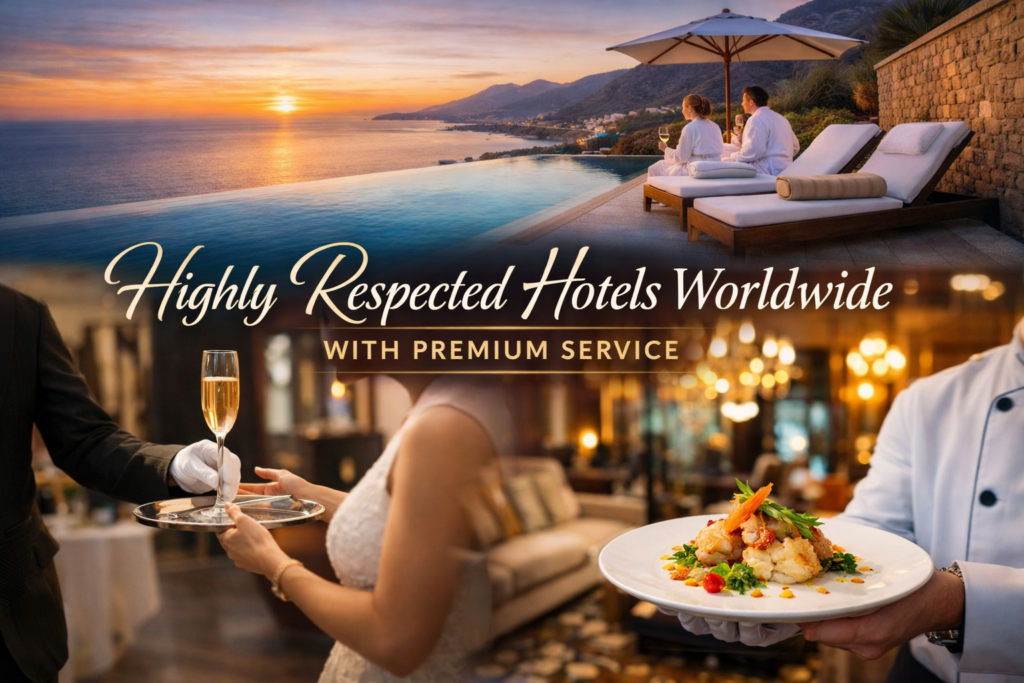
Highly Respected Hotels Worldwide With Premium Service
What “Highly Respected Hotels” Really Means in Luxury Hospitality
Highly respected hotels aren’t just a place with marble floors and a price tag that makes your wallet flinch. Real luxury hospitality is reputation built on consistent excellence, guest trust, and premium service that feels effortless. Think of it like a world-class orchestra: you don’t applaud because one violinist played a single perfect note—you applaud because the whole performance is flawless from the first second to the last.
The difference between “expensive” and “exceptional”
An expensive hotel can still feel clumsy. Maybe the lobby is stunning, but check-in takes forever. Maybe the suite is huge, but the shower pressure is weak and the room service arrives lukewarm. Exceptional hotels nail the details that matter: sleep quality, cleanliness, speed, and emotional intelligence from the staff. That’s the true definition of premium guest experience, and it’s why travelers keep coming back.
Reputation signals: awards, guest loyalty, and consistency
Respect in the luxury travel world is earned through reliability. The best luxury hotels aren’t perfect once—they’re excellent always. You’ll see it in repeat guests, long-term staff retention (a huge indicator of service culture), and strong performance across seasons. This is where luxury hotel ratings, five-star service standards, and guest satisfaction become more than buzzwords—they’re receipts.
The Premium Service DNA
Premium service has a “DNA.” You can feel it within minutes: the calm confidence, the quiet efficiency, the sense that someone is already thinking three steps ahead.
Anticipation: service before you ask
The highest-end properties practice anticipatory hospitality. You didn’t ask for extra bottled water? It’s already there after your workout. You didn’t mention you’re a light sleeper? Housekeeping closes the blackout curtains properly and leaves a soft white-noise option on the bedside control panel. This is personalized luxury done right—subtle, not showy.
Privacy, security, and seamless discretion
True premium service is also about what you don’t see. VIP guests, business leaders, and public figures often prioritize hotel privacy, discreet staff, and secure access. Highly respected hotels train teams to protect guest space and handle sensitive situations quietly. It’s not dramatic—just smooth, like a well-fitted suit.
Personalization powered by people (not just tech)
Yes, modern luxury hotels use technology—mobile keys, digital concierge chat, smart rooms. But the magic still comes from people. A tablet can’t read the room the way an experienced concierge can. The best properties blend smart hotel technology with human-centered service, creating an experience that feels warm and premium, not robotic.
The Guest Journey, Step by Step
Premium service isn’t one big moment. It’s a chain of small moments where nothing breaks.
Booking and pre-arrival concierge
At top-tier hotels, the experience begins before you arrive. After booking, you may receive a concierge email asking about arrival time, dietary preferences, pillow type, or celebration details. This pre-arrival touch is key to luxury travel planning, because it allows the hotel to tailor the stay without you needing to repeat yourself later.
Arrival, check-in, and first impressions
Premium service at arrival is about pace. Not rushed, not slow—just right. The best hotels handle luggage and check-in with a “glide” feeling. You’re offered a welcome drink, your room is ready, and you’re not stuck signing a novel worth of paperwork. This is seamless check-in—a small thing that instantly signals five-star standards.
The stay: in-room details, housekeeping, and turn-down
In a truly respected property, the room feels like it was prepared for you, not just cleaned. Expect thoughtful details: spotless surfaces, perfect temperature, stocked amenities, and turn-down service that resets the room into a calm evening mode. That’s luxury housekeeping, and it’s one of the most underrated pillars of premium hospitality.
Departure: billing clarity and last-touch excellence
Departure is where many hotels fumble. Premium hotels don’t. They ensure transparent billing, quick retrieval of luggage, and proactive support for transport. A respected property treats the last five minutes as seriously as the first five minutes—because that’s what you remember when you leave.
Real-World Examples of Premium Service in Action
Let’s make it real, not theoretical.
The “unspoken preference” moment
Imagine you mentioned during a casual conversation at breakfast that you like oat milk in your coffee. The next morning, your tray arrives with oat milk already included—no reminder, no fuss. That’s guest preference tracking done with discretion, and it’s the kind of detail that separates a good hotel from an elite one.
Problem-solving with grace under pressure
Your flight lands late. You arrive hungry. The kitchen is technically closed. A premium-service hotel doesn’t shrug. They offer a curated late-night option—maybe a simple but high-quality meal, delivered fast, with an apology that feels genuine. This is service recovery—and in luxury hospitality, how a hotel handles problems often matters more than whether problems happen.
VIP experiences that feel natural, not salesy
Premium service doesn’t feel like a constant upsell. Instead of pushing you into an overpriced package, a great concierge asks the right questions and suggests the best-fit experience—private museum access, a chef’s table, or a local cultural tour with a reputable guide. It feels curated, not commercial. That’s bespoke travel, not marketing.
Signature Luxury Touchpoints You’ll Notice Immediately
If you want to spot premium hotels fast, pay attention to the things that seem small.
The room: sleep quality, scent, sound, and lighting
Elite hotels prioritize sleep tourism essentials: high-quality mattresses, layered bedding, quiet HVAC, and blackout curtains that actually work. Add subtle scent design, soft lighting options, and noise insulation—suddenly the room feels like a private retreat, not just a place to crash.
Food and beverage: breakfast, room service, and dining
In premium properties, breakfast isn’t an afterthought. It’s fresh, high-quality, and well-executed. Room service arrives at the right temperature, with proper presentation, and without “we ran out of that” excuses. That consistency signals fine dining hospitality, even if you’re just eating eggs.
Wellness: spa rituals, fitness, and recovery
Luxury travelers increasingly prioritize wellness. Respected hotels offer signature spa treatments, skilled therapists, clean facilities, and recovery-friendly amenities. Think infrared saunas, well-designed gyms, and calm spaces that don’t feel like a crowded public pool.
Best Regions for Elite Hotels (and What They’re Known For)
Different parts of the world have different luxury “flavors.”
Europe: heritage, design, and culinary excellence (Highly Respected Hotels)
European luxury often leans into history and elegance—iconic buildings, refined service, and strong culinary identity. If you love heritage hotels, Michelin-level dining, and artful interiors, Europe is your playground.
Asia: precision service and hospitality culture (Highly Respected Hotels)
Asia is famous for high-touch service, staff training discipline, and attention to detail. Service tends to be extremely polished, respectful, and fast. For travelers who value hospitality excellence and seamless experiences, Asian luxury hotels often feel unbeatable.
Middle East: grandeur and curated experiences
In the Middle East, luxury can be bold—dramatic architecture, world-class shopping access, and high-end experiences designed for comfort and status. Expect VIP transport, big suites, and standout concierge capabilities.
Americas: lifestyle luxury and big-city polish
In North and South America, premium hotels often emphasize lifestyle hospitality—rooftop scenes, strong wellness, and high-energy city service with professionalism. Business travelers also benefit from efficient operations and strong meeting infrastructure.
Africa & Indian Ocean: safari elegance and island privacy (Highly Respected Hotels)
For travelers chasing privacy, nature, and once-in-a-lifetime views, this region shines. Think luxury safari lodges with expert guides and private island resorts where service feels intimate and personal.
Highly Respected Hotels Brands Known for Premium Service
Instead of trying to list every famous hotel on earth, it’s more useful to understand the brands that consistently deliver.
Ultra-luxury icons
Brands like Four Seasons, Aman, and Mandarin Oriental are often associated with premium service culture, strong training, and high guest loyalty. Their signature is consistency: the experience feels elite whether you’re in a major city or a secluded resort.
Boutique luxury masters
Some boutique groups and independent hotels deliver luxury through individuality: unique design, local culture, and highly personalized attention. This is where boutique hotel luxury becomes a real advantage—less “copy-paste,” more soul.
Modern luxury leaders
Modern luxury brands focus on comfort, design, and experience—often attracting younger premium travelers who want elegance without stiffness. Expect strong design hotels, great bedding, and food concepts that feel current.
What to Look For Before You Book
Want to increase your odds of landing a truly premium stay? Look for these signals.
Suites vs. rooms: value signals
Sometimes the premium experience isn’t the biggest suite—it’s the best layout, best view, and best service access. A mid-tier room in a world-class property can outperform a giant suite in a poorly run “luxury” hotel. That’s value in luxury travel: paying for quality, not square meters.
Club lounge access: when it’s worth it
A good lounge is like having a private airport lounge inside your hotel: quiet space, snacks, drinks, and staff who can help instantly. If you’re traveling for business or you like convenience, lounge access can be a strong luxury upgrade value.
Resort fees, inclusions, and hidden costs
Premium hotels tend to be transparent. Always scan what’s included: breakfast, airport transfer, spa credit, activities, and taxes. Luxury doesn’t feel premium when the final bill feels like a surprise attack. That’s why pricing transparency matters.
Making Premium Service Happen—Without Asking Directly
Here’s the context you wanted: the service “unlock” strategy, explained naturally.
Communicating preferences like a pro
The easiest way to get premium service is to share preferences early—politely and clearly. Mention allergies, pillow preferences, check-in timing, and what kind of experience you want (quiet, romantic, family-friendly, business-focused). This helps the hotel personalize without guessing, improving guest experience optimization.
Timing and etiquette that unlocks better service
Premium service is often about timing. Ask for help before peak rush hours if possible. Be kind to staff. Treat people like humans, not buttons. Ironically, the fastest way to receive elite-level service is to create a calm, respectful vibe—because staff will naturally prioritize guests who make the experience pleasant.
The concierge “brief” that changes everything
If you want high-quality recommendations, give the concierge a short “brief”: your budget range, your tastes, your must-haves, and your non-negotiables. Then ask for their best suggestion, not a list of ten options. This produces curated luxury experiences that actually fit you.
Premium Service for Families, Couples, and Business Travelers
Premium service doesn’t look the same for everyone.
Family-friendly luxury that doesn’t feel chaotic
Top family-friendly luxury hotels offer kids’ clubs, child-safe amenities, and flexible dining—without making the whole place feel like a playground. Think family resort luxury with structure: the adults can relax, and the kids are genuinely engaged.
Romance and honeymoon-level details
For couples, premium service is mood. Candlelit setups, privacy, smooth scheduling, and little surprises that feel personal. The best properties deliver honeymoon hotel luxury without being cheesy.
Executive stays: meetings, privacy, and efficiency
Business travelers value speed, privacy, and reliability. Premium service here means fast laundry, strong Wi-Fi, quiet rooms, sound meeting spaces, and staff who solve problems quickly. That’s corporate travel luxury done right.
Sustainability and Premium Service Can Coexist (Highly Respected Hotels)
Luxury is evolving. Premium travelers increasingly expect eco-conscious luxury.
Responsible luxury: refillables, local sourcing, low waste (Highly Respected Hotels)
Refillable amenities, local sourcing, and reduced single-use plastics can still feel premium when done thoughtfully. The best hotels maintain elegance while improving sustainable hospitality practices.
What “greenwashing” looks like in hospitality
A hotel claiming “green” while wasting resources and cutting corners isn’t sustainable—it’s marketing. Look for real actions: energy efficiency, measurable goals, and partnerships with credible programs.
Red Flags: When a Hotel Isn’t Truly Premium
Luxury should feel smooth, not frustrating.
Inconsistent service and scripted friendliness
If staff feel robotic, slow, or inconsistent, the property may be style-over-substance. Premium service should feel natural, not rehearsed.
Maintenance blind spots that break the illusion
Luxury is fragile. One broken lamp, stained carpet, or neglected bathroom detail can collapse the whole experience. Respected hotels stay on top of maintenance like it’s a daily ritual.
Conclusion (Highly Respected Hotels)
Highly respected hotels worldwide with premium service aren’t defined by gold faucets or fancy lobby flowers—they’re defined by consistency, anticipation, and human-centered hospitality that makes you feel looked after without feeling watched. When premium service is real, the hotel becomes more than a building—it becomes a backstage team quietly making your trip feel effortless. Choose the right signals, communicate preferences early, and you’ll unlock the kind of luxury stay that’s worth remembering long after you’ve checked out.