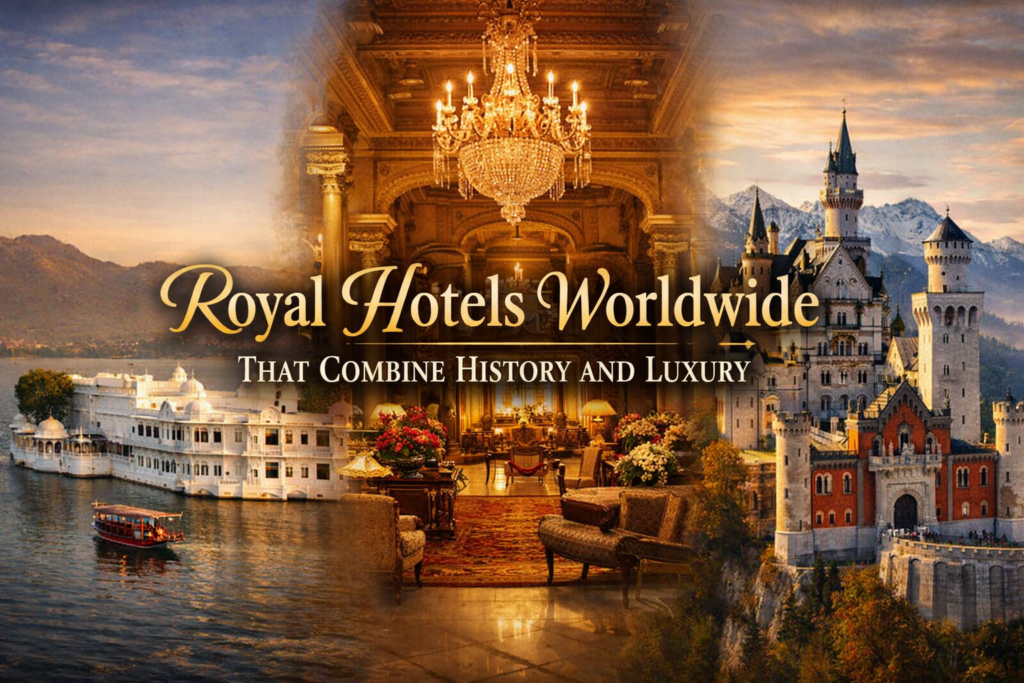
Royal Hotels Worldwide That Combine History and Luxury
Royal hotels You know that feeling when you walk into a place and your voice automatically gets quieter—like the building itself is listening? That’s the vibe of a true royal heritage hotel. These aren’t just pretty lobbies with chandeliers. They’re living museums with five-star beds, palace-style service, and the kind of timeless elegance that makes modern hotels feel a little… temporary.
But here’s the fun part: you don’t have to be royalty to enjoy them. You just have to know what to book, what to ask for, and how to make the most of the historic luxury experience without paying for “extras” you don’t even care about.
Let’s tour the world’s most iconic royal hotels—the ones where history and luxury travel collide in the best way possible—plus real examples of what to do to get that “I’m basically a duke now” energy.
Why “Royal” Hotels Feel Different
Royal hotels don’t just look fancy. They feel different—like stepping into a novel where you’re the main character.
Living history you can actually touch
In a genuine heritage property, history isn’t a theme. It’s in the marble staircases, the antique mirrors, the preserved ballrooms, and the portraits that look like they’re judging your outfit (politely, of course). You’re sleeping inside a place where diplomats, artists, and aristocrats actually stayed. That’s not a marketing line—that’s cultural heritage you can feel under your feet.
Luxury standards that never go out of style
Modern luxury can sometimes feel like an iPhone store—clean, shiny, and slightly cold. But old-world luxury? It’s warm. It’s layered. The velvet and brass and polished wood. It’s the kind of service where a concierge remembers your name without making it weird. It’s bespoke hospitality—tailored, graceful, and quietly confident.
What Makes a Hotel Truly “Royal”
Not every building with a crown logo is truly royal. Some hotels cosplay heritage. A real one has receipts.
Palaces, aristocratic mansions, and landmark heritage sites
Many of the best royal hotels were literally palaces, noble residences, or landmark buildings—later transformed into luxury accommodations while preserving their original character. Think: grand corridors, formal gardens, and architecture that screams historic landmark.
Legacy service, from butlers to private archives
Royal hotels are famous for white-glove service. Not stiff—just refined. You’ll often find:
- Butler service (especially in signature suites)
- Personalized welcome rituals
- Curated experiences like private gallery tours
All of this adds up to luxury hotel service that feels like tradition, not performance.
Small details that signal old-world prestige
This is where the magic hides:
- Handwritten notes, not generic cards
- House-made chocolates, not mass-produced sweets
- Linen that feels like it has a PhD
It’s the difference between “nice” and “legendary”—the core of timeless luxury.
The Modern Luxury Layer (Without Ruining the Magic)
The best royal hotels don’t live in the past. They just borrow its beauty.
Updated suites, discreet tech, and spa culture
A real historic hotel can still have modern comforts—soundproofing, climate control, smart lighting—just done discreetly. You’ll also see high-end wellness travel features like signature spas, hammams, and personalized treatments that complement the heritage atmosphere.
Michelin-level dining inside historic walls
Some of the most famous fine-dining restaurants live inside these properties. Eating a tasting menu in a centuries-old room hits different. It’s like history, but delicious—pure culinary tourism and fine dining experience in one.
Royal Hotels in the United Kingdom
The UK is basically the capital city of “royal vibes.” London alone is loaded with iconic addresses.
The Savoy, London
The Savoy isn’t just a hotel—it’s a London institution. Known for its glamorous legacy, legendary bar culture, and classic luxury hospitality, it’s the kind of place where the doorman makes you feel important even if you arrived with a slightly confused Uber driver.
What to do for the royal experience:
Book a river-facing room if possible, then do afternoon tea like it’s a sacred ritual. Add a pre-dinner cocktail at the American Bar for full British heritage travel energy.
The Ritz London
The Ritz is the definition of classic luxury. From the polished service to the gold-and-cream interiors, it’s as close as you get to feeling like you belong in a period drama—minus the family scandal.
Real example:
Guests who reserve tea early and dress properly often get better table placement. Tiny detail, big impact—this is luxury etiquette working for you.
Claridge’s, London
Claridge’s mixes Art Deco glamour with that calm, confident British vibe. It’s one of those iconic hotels where everything feels intentional—flowers, lighting, even the silence.
Context tip (without the “how to” label):
If you want the best experience, ask the concierge for a curated neighborhood walk focused on galleries and heritage streets. Claridge’s excels at personalized luxury travel.
Royal Hotels in France
Paris doesn’t do “basic.” Even its hotels come with art history.
Hôtel de Crillon, A Rosewood Hotel (Paris)
This place feels like you’re staying inside French history—because you basically are. The Crillon is a masterpiece of Parisian luxury, blending restored interiors with modern refinement.
What makes it special:
The craftsmanship—stonework, woodwork, curated art—feels like a love letter to French heritage.
Le Meurice (Paris)
Le Meurice is famously elegant, with a strong connection to art and haute culture. It’s a favorite for travelers who want luxury travel in Paris with a serious heritage backbone.
Pro move:
Ask for a room that emphasizes classic decor rather than ultra-modern updates. You’re here for historic charm, right?
Royal Hotels in Italy
Italy turns history into a lifestyle.
Hotel Danieli (Venice)
Venice already feels unreal. Hotel Danieli adds that “historic palace” feel—ornate details, dramatic architecture, and views that make you forget what year it is. It’s a true Venice luxury hotel with deep roots.
Make it count:
Arrange a private water taxi arrival. That first moment—gliding up to the hotel—feels like your own movie premiere. Pure luxury experience.
Grand Hotel Quisisana (Capri)
Capri is where glamour goes on vacation. Quisisana is iconic for its refined atmosphere and classic Mediterranean prestige.
Context tip:
Choose rooms with garden or sea-facing ambiance. Then schedule dinner late—Capri evenings are built for romantic luxury travel.
Royal Hotels in Spain
Spain’s royal energy hits different—warm, dramatic, and full of flair.
Hotel Alfonso XIII (Seville)
This is the kind of place where architecture does half the talking. Courtyards, arches, tiles—pure Andalusian grandeur. It’s often considered one of the most beautiful historic luxury hotels in Spain.
Real example:
Guests who plan a morning visit to the Alcázar and return for an afternoon pool break get the best balance of culture + comfort—aka luxury cultural travel done right.
Royal Hotels in Austria
Vienna is basically classical music in city form.
Hotel Sacher (Vienna)
Yes, the cake is famous—but Hotel Sacher is also a legendary piece of Vienna luxury history. It’s traditional, elegant, and proudly Austrian.
Experience move:
Pair a stay with an opera evening. The hotel staff can help with tickets and logistics, which is where concierge service becomes your secret weapon.
Royal Hotels in the Czech Republic
Prague is one big postcard, and the hotel scene matches.
Four Seasons Hotel Prague (historic riverside glamour)
While modern in service, the setting gives you that storybook feeling—historic surroundings, river views, and an atmosphere built for European luxury travel.
Context tip:
Book a room with castle views if possible. Then plan an early morning walk across Charles Bridge before the crowds. That’s the difference between “visited Prague” and “owned Prague for an hour.”
Royal Hotels in India
India arguably does royal luxury best—because the palaces are real.
Taj Lake Palace (Udaipur)
Floating like a dream on Lake Pichola, this is one of the most iconic palace hotels on earth. It’s a straight-up fairytale with heritage luxury baked into every detail.
Real example:
Guests who schedule a sunset boat arrival and pre-book a private dining setup often describe it as the highlight of their entire trip. That’s luxury romance travel at its peak.
Rambagh Palace (Jaipur)
Rambagh is pure regal energy—grand grounds, formal interiors, and the unmistakable feeling you’re staying somewhere that used to run a kingdom.
Context tip:
Request a heritage tour of the property if offered. Understanding the story behind the walls makes the experience feel richer—true immersive travel.
Royal Hotels in the Middle East
Luxury here is bold, polished, and made for grand gestures.
Emirates Palace (Abu Dhabi)
This property is famous for scale and opulence—think domes, vast halls, and service designed around luxury lifestyle travel.
Make it feel “royal”:
Lean into the experience: book a sea-view room, schedule a spa session, and plan at least one fine-dining night. This hotel shines when you treat it like a destination, not just a place to sleep.
Royal Hotels in Southeast Asia
Southeast Asia blends heritage with hospitality in a way that feels genuinely warm.
Raffles Singapore
Raffles is the definition of an iconic heritage hotel—colonial elegance, legendary service, and a timeless atmosphere. It’s not just a stay; it’s a cultural experience.
Context tip:
Start with the classic bar ritual (yes, you know which one), then spend time simply walking the halls and courtyards. This is slow luxury—heritage travel that breathes.
The Peninsula Bangkok
A riverside classic that combines refined service with Bangkok’s vibrant energy. It’s a strong example of luxury hospitality in Asia done with grace.
Real example:
Guests who schedule river transport instead of road transfers often have a smoother, more scenic experience. In Bangkok, the river is sometimes the smartest “shortcut.”
What to Book for the Most “Royal” Experience
Okay—this is where people either win big or accidentally book the “standard room” that feels like any other hotel. Don’t be that person.
Suites with provenance
Look for suite descriptions that mention:
- Historic figures or legacy names
- Original architectural features
- Unique views or terraces
That’s usually where the signature suite magic lives.
Private transfers and heritage tours
Many royal hotels offer experiences that aren’t obvious on booking sites:
- Private carriages or classic cars (in some cities)
- Curated museum access
- Behind-the-scenes property tours
These add serious luxury travel value without necessarily doubling your cost.
Timing tricks for a quieter, more exclusive stay
Try:
- Shoulder season (often calmer, still beautiful)
- Midweek check-ins (less crowded)
- Early dinner reservations (better tables)
Small timing choices can massively upgrade your exclusive travel experience.
The Smart Luxury Strategy
Luxury doesn’t mean wasting money. It means spending strategically.
When to splurge, when to upgrade
Splurge on:
- The location (views matter)
- The suite category (experience changer)
Upgrade later on: - Breakfast packages (sometimes cheaper at check-in)
- Spa add-ons (often promotions midweek)
Loyalty programs vs. luxury travel advisors
Some travelers swear by points, others by advisors. The truth? Both can work.
- Loyalty helps if you stay within a brand
- Advisors can unlock perks like upgrades and credits
Either way, you’re aiming for value-added luxury.
Etiquette Without Stress
Worried you’ll do something “wrong”? Relax. Royal hotels aren’t looking to embarrass you.
Dress codes, tea culture, and dining manners
If there’s tea service, dress a little sharper than usual. Not because you must, but because it matches the vibe—and you’ll feel more confident. Think of it like dressing for the role in a movie.
Tipping norms in palace-style hotels
Rules vary by country, but a simple approach works: tip discreetly for excellent personal service, especially for butlers and concierge support. It’s part of the luxury service culture in many regions.
Conclusion
Staying in royal hotels worldwide that combine history and luxury is like time-traveling… but with better mattresses and room service that actually understands your cravings. These properties aren’t just about expensive decor—they’re about heritage, craftsmanship, legendary hospitality, and immersive luxury that makes your trip feel bigger than a checklist.
If you’re going to splurge on one experience this year, make it a stay that gives you a story. Because long after the photos fade, you’ll remember how it felt to walk through a palace hallway like you belonged there.